Explore Netarx’s library of white papers, webinars, customer stories and other helpful content - everything you need to protect your organization from AI-generated threats

Showing 6 of 88 resources
blog
Deepfake detection asks whether media is synthetic or manipulated. It catches AI faces and cloned voices, but can miss high quality fakes and says nothing about who is really on the other end.
blog
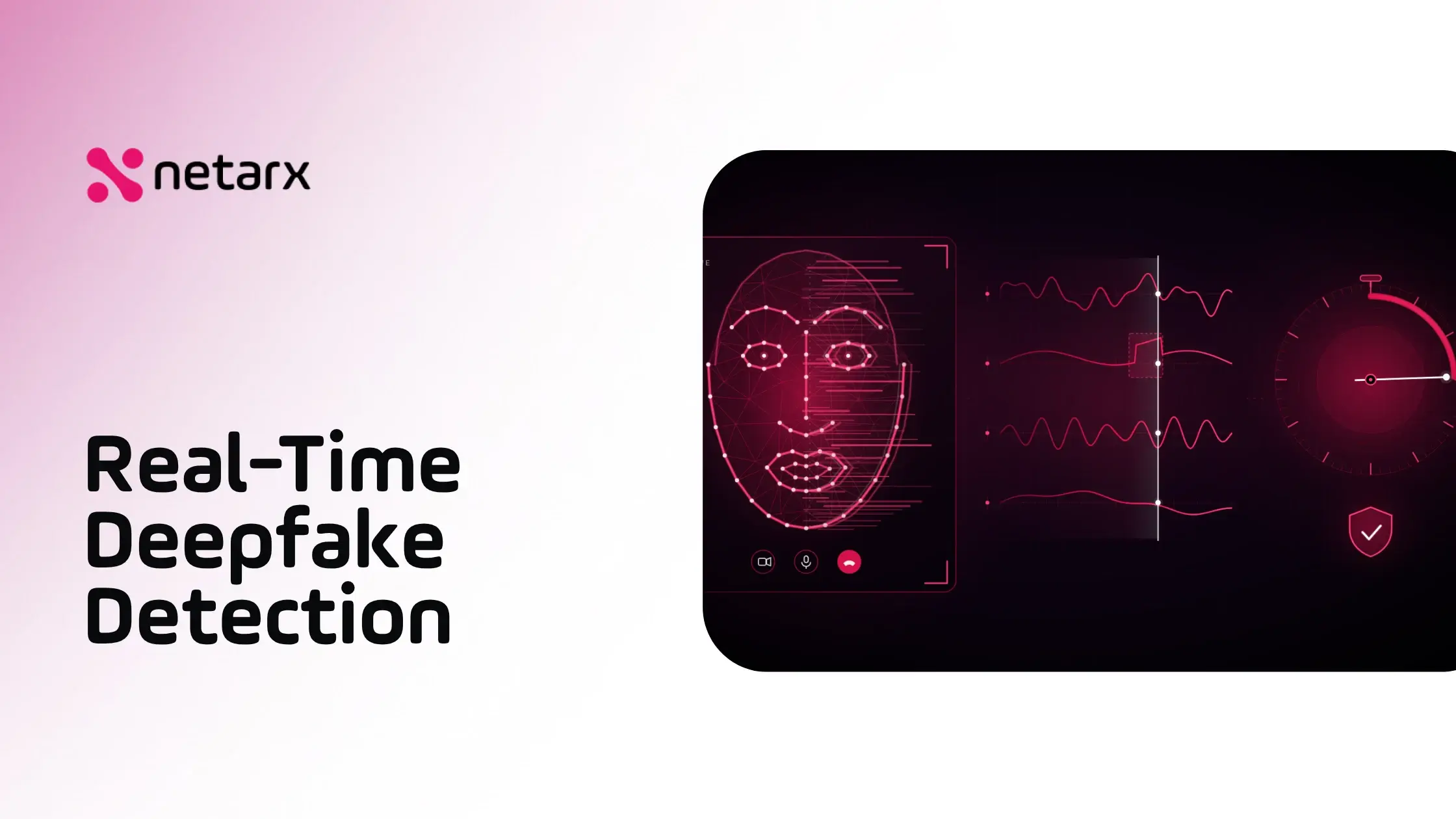
Real-time deepfake detection analyzes live video, voice and messages as they happen and returns a trust verdict while the conversation is still in progress, before anyone acts on a fraudulent request. It works by streaming short windows of media and context through several models at once: visual forensics, audio forensics, metadata and device checks, and behavioral signals, then fusing them into one verdict.
blog
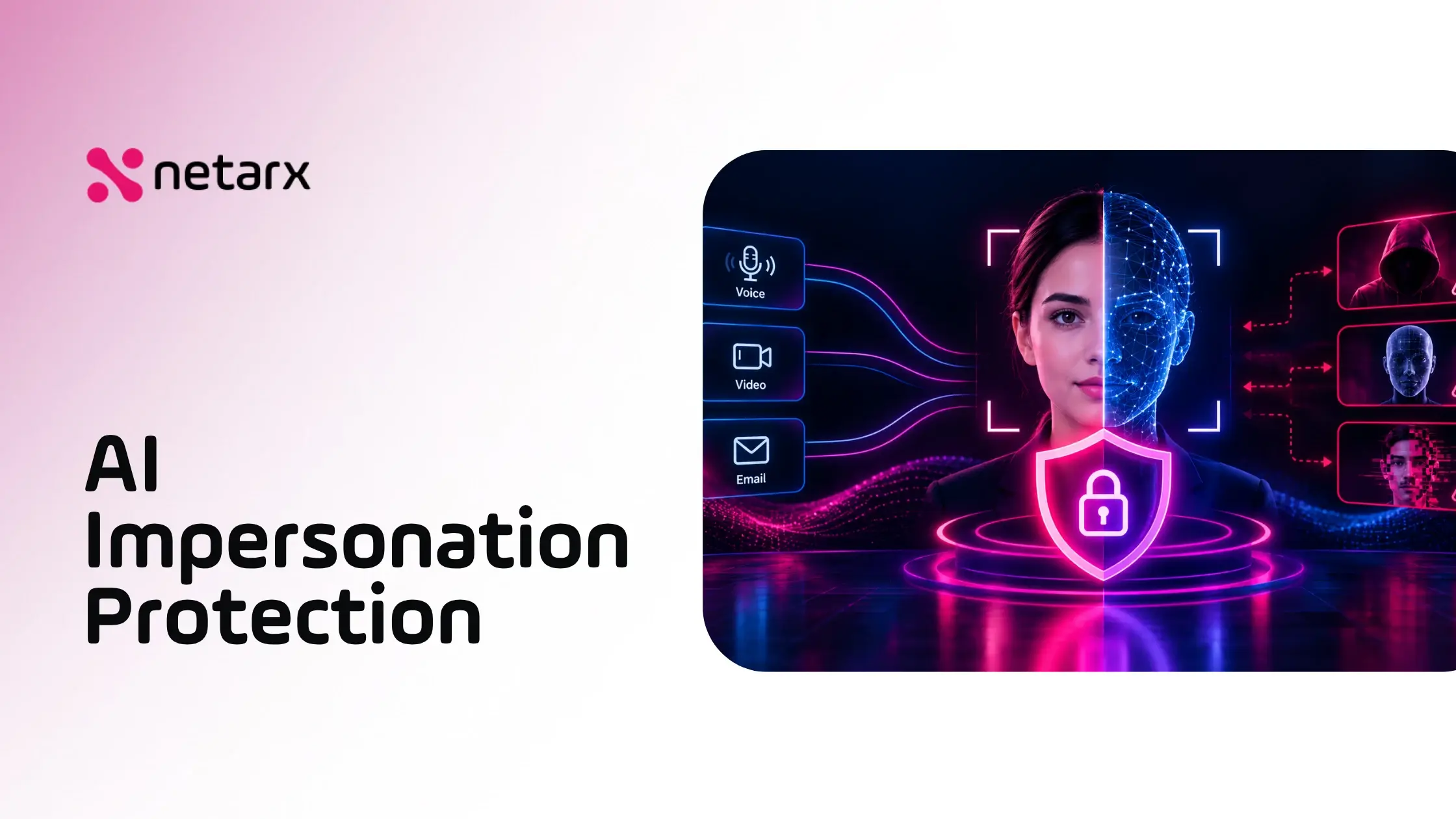
AI impersonation fraud uses cloned voices, deepfake video and AI-written messages to pose as executives, vendors or candidates. It is mainstream: 62% of organizations saw a deepfake attack in the past year (Gartner, 2025).
blog
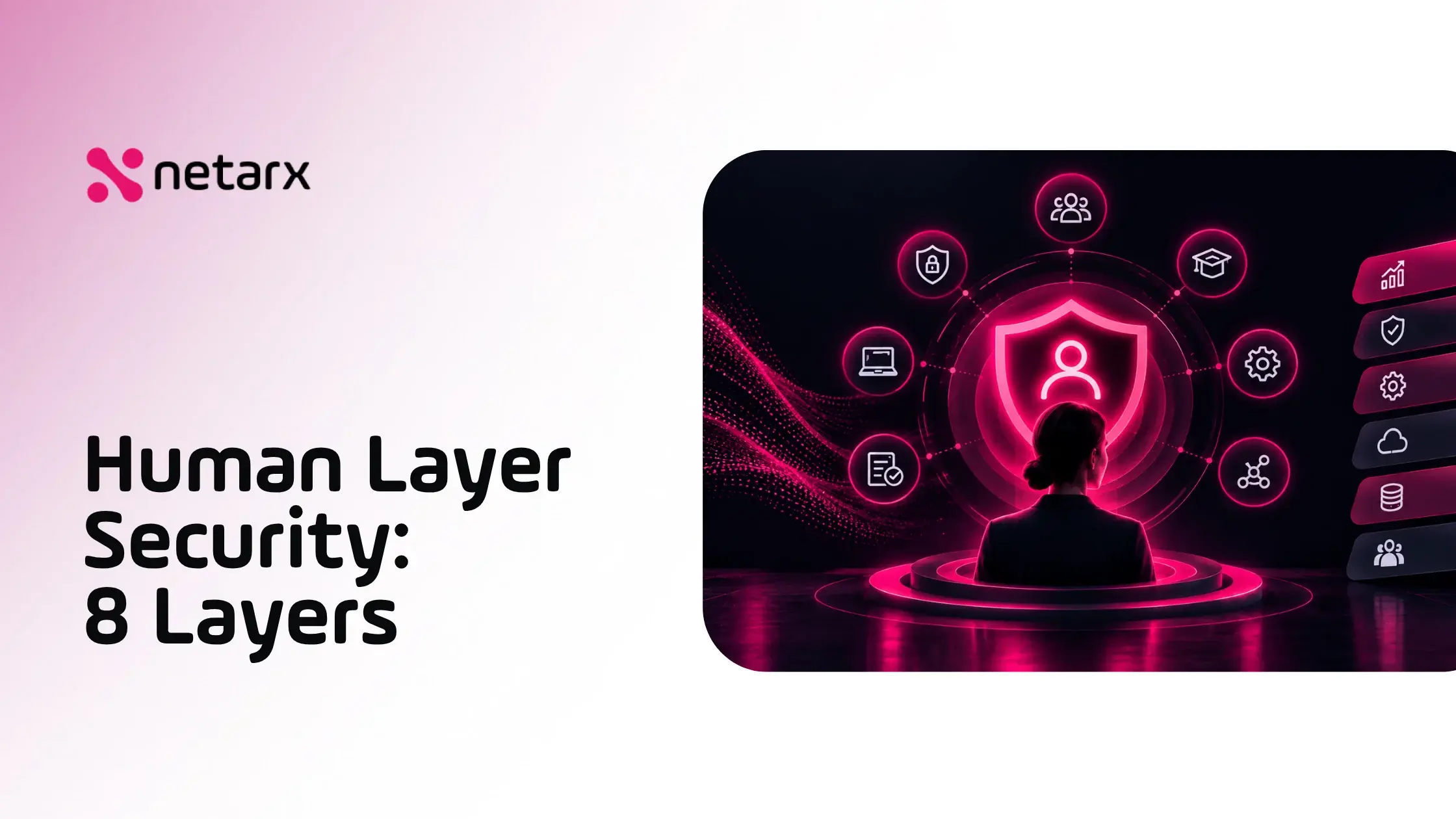
Human layer security is the discipline of protecting the people layer of an organization: the judgment calls, conversations, approvals and identity claims that sit above the seven OSI layers and that no firewall inspects. It is commonly called Layer 8 security.
datasheet
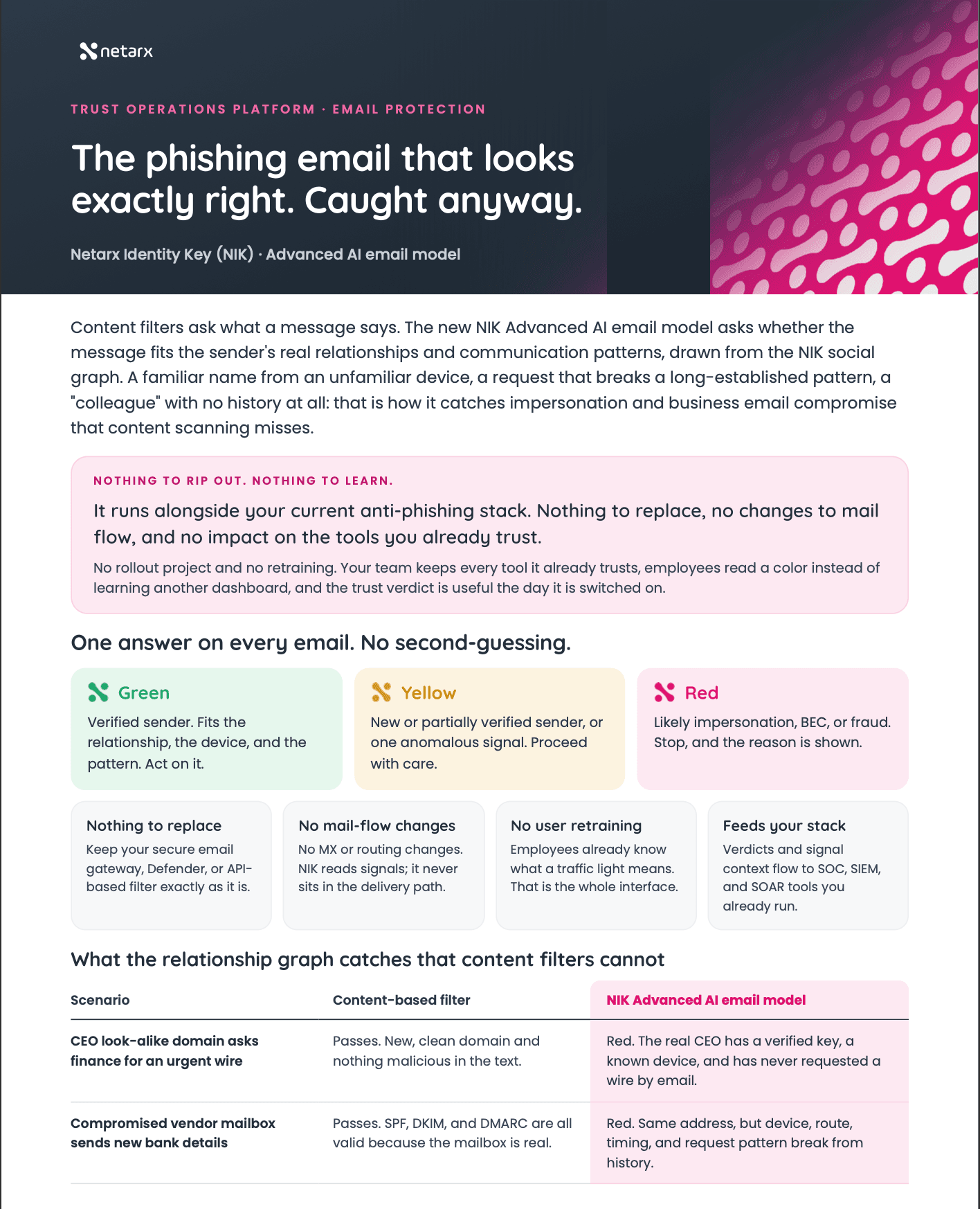
Why the NIK Advanced AI email model catches impersonation and BEC that content filters pass, and what that saves you per 100 employees.
blog
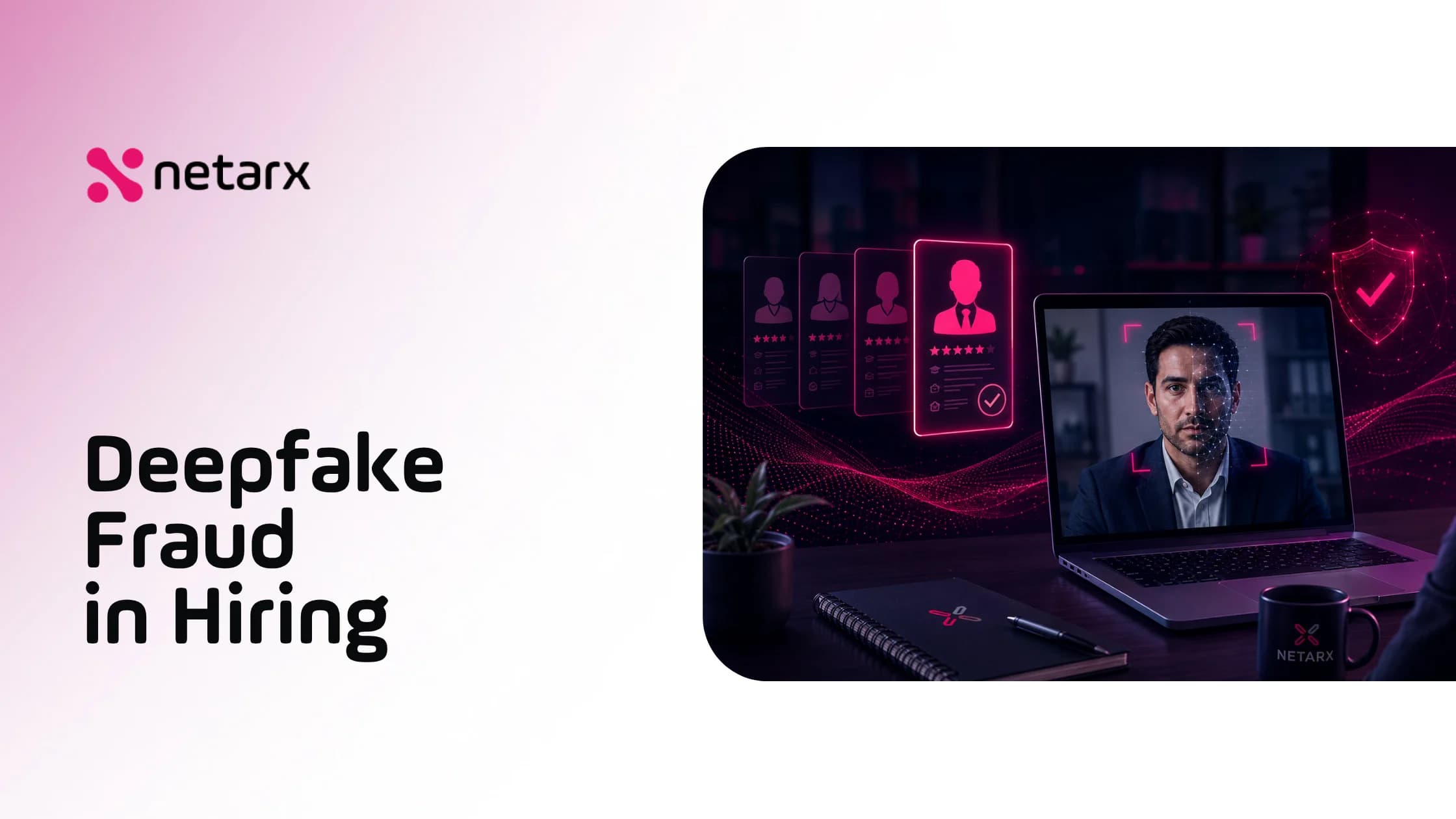
Deepfake fraud in hiring is the use of AI-generated or AI-altered media, a synthetic headshot, a cloned voice, a real-time face swap on a video call, to misrepresent who a job candidate is, in order to win a role, the real person could not obtain under their own identity. The defining feature is not technology.