
Chief Executive Officer
Published: August 5, 2025
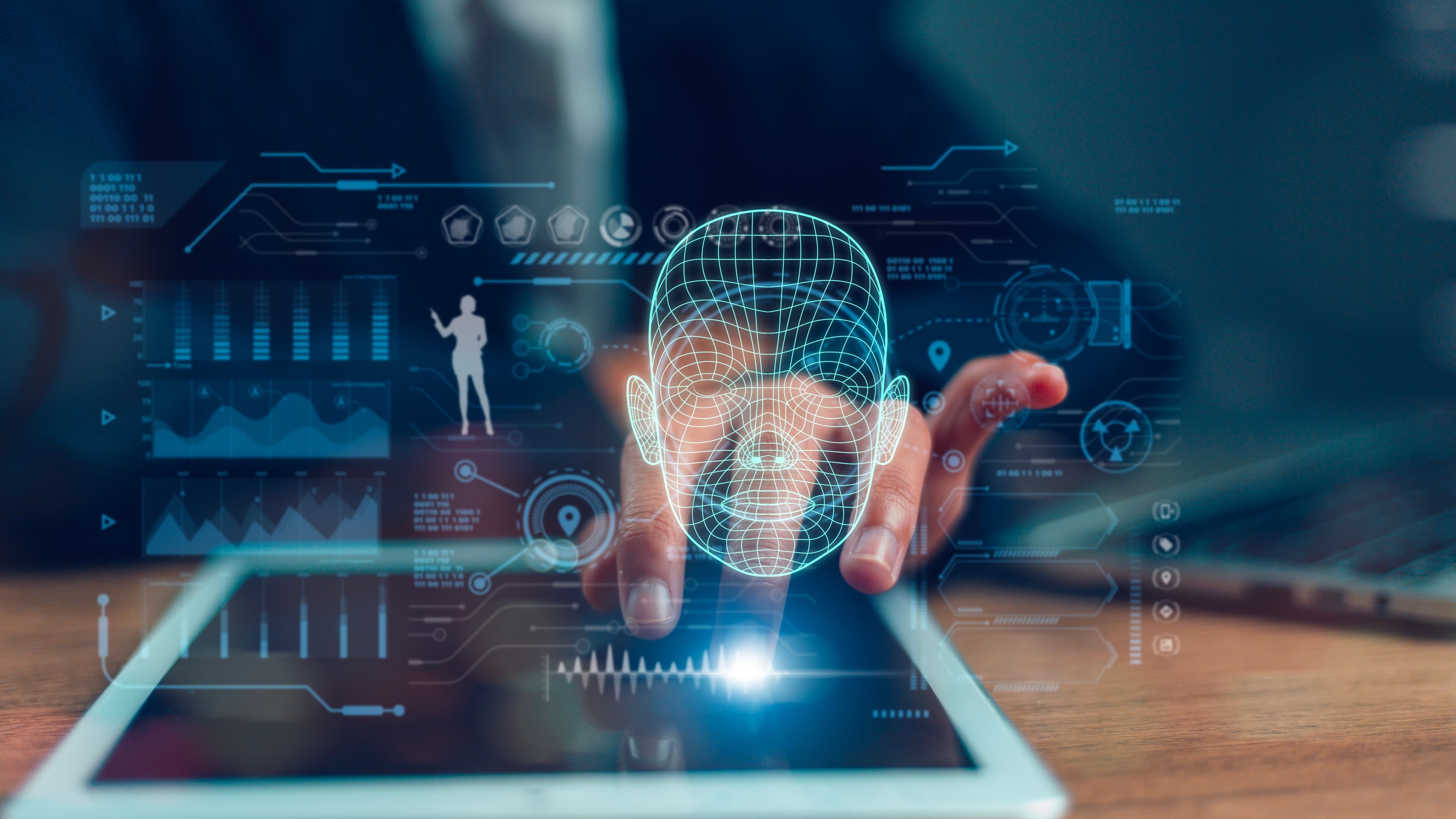
AI deepfakes attack perception, not infrastructure, so legacy defenses (email security, ITDR, SIEM/XDR) that watch systems miss them entirely.
The fix is AI-native, multimodal detection (voice, video, metadata) layered with identity and behavior monitoring, verifying the messenger, not just the message.
AI-based cybersecurity risks are threats that use artificial intelligence, most notably deepfakes (synthetic AI-generated voice, video, and images), to deceive people rather than breach systems. Instead of stealing credentials or exploiting software, attackers manipulate perception: impersonating executives, spoofing calls, and fabricating media to drive fraudulent decisions.
The catch: these attacks target the human layer, so traditional tools that watch infrastructure, email security, ITDR, and SIEM/XDR, have nothing to flag. Defending against them requires verifying the people behind the messages, not just the systems.

The threat moved to people. AI deepfakes exploit the human layer, not infrastructure.
Identity isn’t just credentials. Attackers don’t need a password if they can sound like your CFO.
Legacy tools miss it. Email security, ITDR, and SIEM/XDR don’t inspect synthetic media.
Fight AI with AI. AI-native, multimodal detection belongs at the deception layer.
Verify the messenger. Digital trust now means confirming who is communicating, not just what.
In This Article
In today’s enterprise environment, artificial intelligence is both a productivity catalyst—and a weapon. While organizations race to integrate AI into everything from customer service to threat detection, attackers are doing the same. Nowhere is this duality more dangerous than with deepfakes—AI-generated synthetic video, audio, and images that look real, sound authentic, and can fool even the most skeptical human.
The rise of these AI-powered threats is forcing security leaders to rethink traditional cybersecurity postures.
Deepfakes have evolved beyond academic curiosities and internet pranks. They are now active tools in social engineering campaigns, capable of:
Mimicking the voice of a CEO to authorize wire transfers
Creating fake Zoom calls to manipulate vendors
Producing fraudulent video “evidence” for legal or HR disputes
Hijacking executive likenesses to discredit brands or mislead stakeholders
The implications? Identity is no longer about credentials alone. Attackers don’t need passwords when they can sound like your CFO.
Most security stacks are designed to detect anomalies inside infrastructure—credential abuse, lateral movement, malware, and misconfigurations. But deepfakes and other AI-powered attacks exploit the human layer, not the technical one.
Why this matters:
Email security tools can’t distinguish between a real voice message and a synthetic one.
ITDR tools miss deepfakes because no login or credential misuse occurred.
SIEM/XDR solutions focus on log data, not manipulated media.
As a result, enterprises are flying blind to perception-based attacks—threats that don’t touch systems but sway decisions.
To fight AI threats, organizations need AI-native defenses. That means embracing machine learning and deep learning not just for analytics—but for detection at the deception layer.
New defense strategies include:
Multimodal deepfake detection: analyzing voice, video, and text cues together
Voiceprint authentication: validating audio messages against known speaker profiles
Metadata verification: using blockchain or federated validators to ensure content integrity
Anomaly detection for communications: flagging speech or video patterns that diverge from known behavior
AI is now required not only to scale defenses—but to understand intent in synthetic media.
Just as cloud redefined the perimeter in the 2010s, synthetic media is redefining digital trust today. Security no longer ends at identity systems or firewalls. It must extend into:
Video conferencing platforms
VoIP systems and voicemail
Email attachments and AI-generated documents
Media used in legal, HR, and finance workflows
Every surface where synthetic content can enter is a new attack vector. And every human interaction becomes a potential point of deception.
Audit your exposure to synthetic media
Understand where your org uses audio, video, and likeness-based communications (Zoom, Teams, voice calls, marketing content).
Deploy deepfake detection technology
Use AI-based tools that can analyze and validate incoming media in real-time.
Update your threat models
Add “synthetic impersonation” and “AI-generated deception” as first-tier risks in your SOC playbooks.
Educate your workforce
Teach executives and frontline staff how to verify unusual requests—especially when received in audio or video form.
Pair AI with human-in-the-loop controls
While AI detection will scale, human judgment is still critical for high-impact decisions.
AI-powered attacks are not a future concern—they’re a present and evolving threat. Organizations that treat deepfakes and synthetic content as fringe issues risk being blindsided by high-impact, low-detectability exploits.
The best defense?
Use AI to detect AI.
Build layered defenses that combine identity monitoring, behavior analytics, and synthetic media detection.
And most importantly, recognize that digital trust now requires verifying the messenger, not just the message.
Are your security tools trained to spot deception, not just intrusion?
If not, now is the time to upgrade your defenses—before trust itself becomes your biggest vulnerability.
SOURCES & REFERENCES
Artificial Intelligence Risk Management Framework: Generative AI Profile (NIST AI 600-1), National Institute of Standards and Technology (NIST) (July 26, 2024). Maps generative-AI risks, including information integrity and security, to concrete management actions.
Deploying AI Systems Securely, NSA, CISA, and FBI joint Cybersecurity Information Sheet (April 15, 2024). Best practices for securely deploying and operating AI systems.
Science & Tech Spotlight: Combating Deepfakes (GAO-24-107292), U.S. Government Accountability Office (March 11, 2024). Finds that existing detection methods may not accurately identify deepfakes in real-world conditions.
Reducing Risks Posed by Synthetic Content (NIST AI 100-4), NIST / U.S. AI Safety Institute (November 2024). Reviews the technical limits of synthetic-content detection and authentication.
Alert on Fraud Schemes Involving Deepfake Media Targeting Financial Institutions (FIN-2024-Alert004), U.S. Treasury Financial Crimes Enforcement Network (FinCEN) (November 13, 2024). Reports rising deepfake media used to bypass identity verification.
Criminals Use Generative Artificial Intelligence to Facilitate Financial Fraud, FBI Internet Crime Complaint Center (IC3), Public Service Announcement (December 3, 2024).

 Verified
Chief Executive Officer
CEO/Founder of Netarx LLC, Real-time detection of deepfake and social engineering threats via enterprise video, voice and email. Managing Partner of Koach Capital, a Private Equity firm managing a multitude of commercial real estate (CRE) funds whose focus is retail sale-leasebacks. Sandy's entrepreneurial success began by founding a network integration and services provider that served large enterprises. We focused on advanced technologies including Business Intelligence (BI), Network & Information Security, Virtualization, Storage Area Networks, Unified Communications and Data Center Services. In 2009, Netarx acquired the VAR business of Analysts International (including Sequoia and Entree Systems). In 2011 Netarx was acquired by Logicalis (a division of Datatec - Symbol LSE: DTC) and stayed on as its Chief Technology Officer. He continued to build by founding Verge.io (Formerly Yottabyte) and Service.com. Also, Sandy served as a General Partner of Ludlow Ventures, a venture capital fund focusing on investments in early-stage tech companies. Sandy contributes to the community via lectures, publications and developing new technologies - he currently holds 8 Patents.

AI-based risks are threats that use artificial intelligence, especially deepfakes (synthetic voice, video, and images), to deceive people rather than breach systems. They target perception and decision-making, not infrastructure.
blog
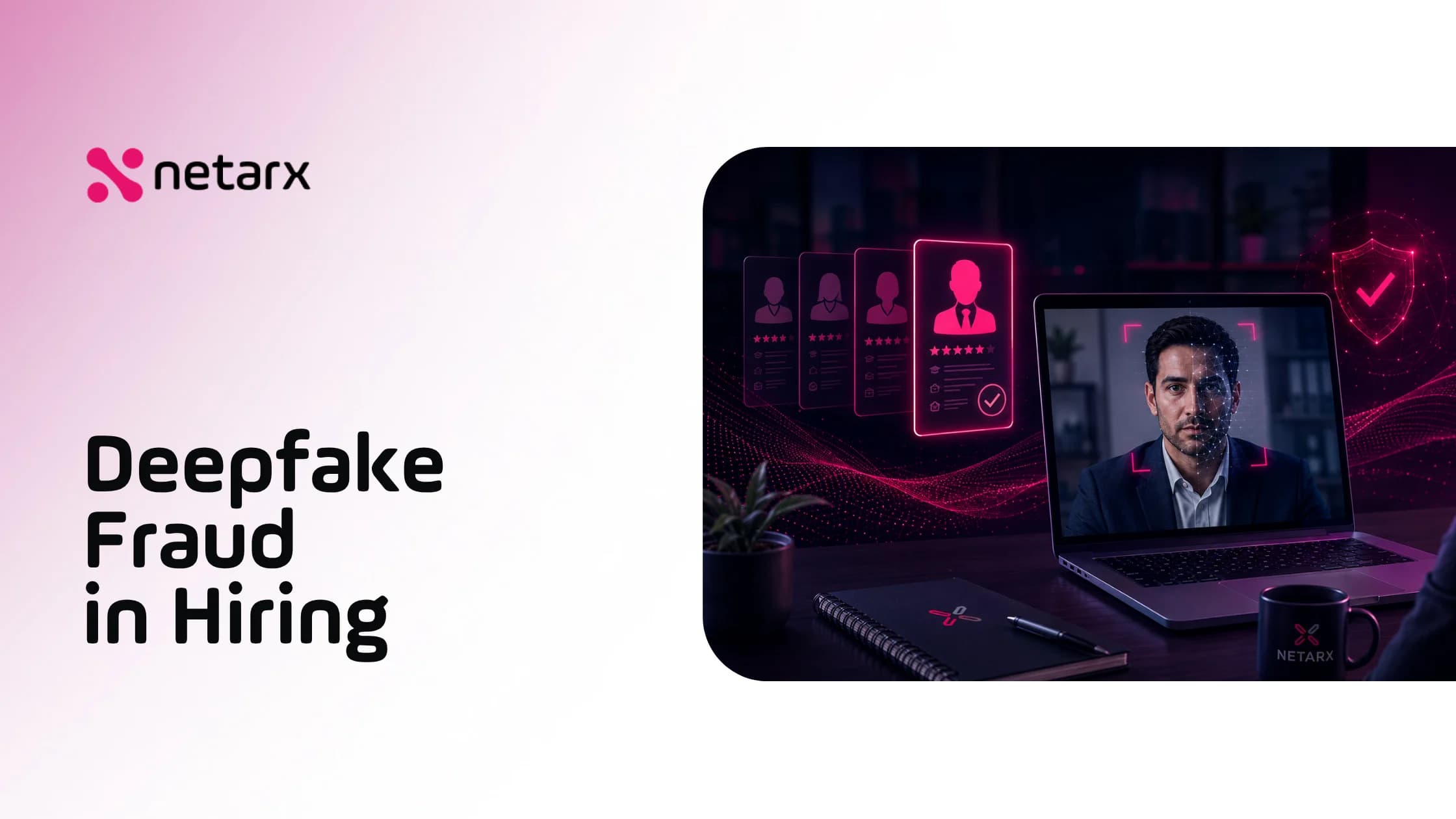
Deepfake fraud in hiring is the use of AI-generated or AI-altered media, a synthetic headshot, a cloned voice, a real-time face swap on a video call, to misrepresent who a job candidate is, in order to win a role, the real person could not obtain under their own identity. The defining feature is not technology.
blog
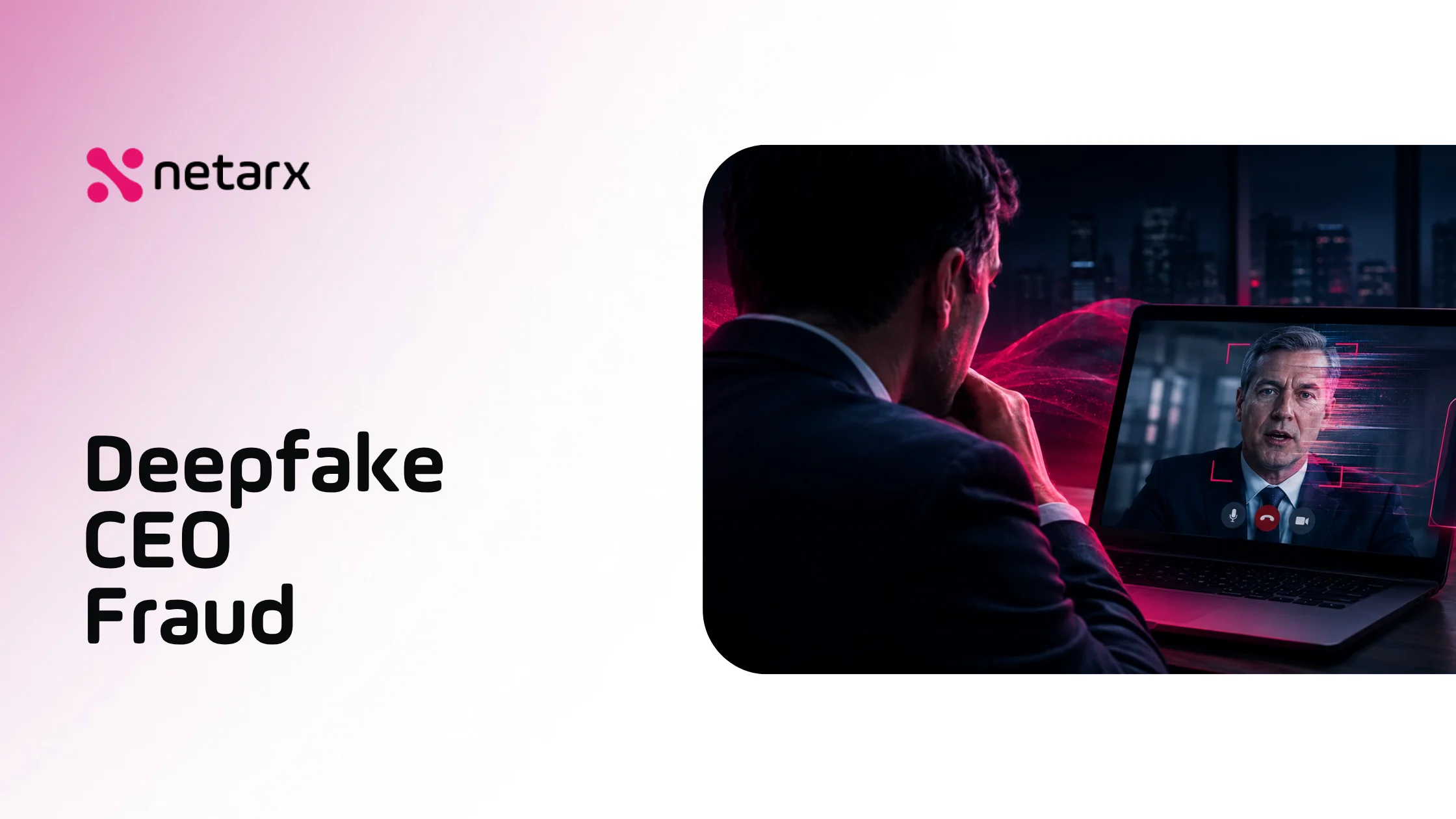
Deepfake CEO fraud is a payment fraud technique in which attackers impersonate a company executive using AI-generated video, cloned voice, or both, then use that fake identity to authorize a fraudulent transfer.
blog
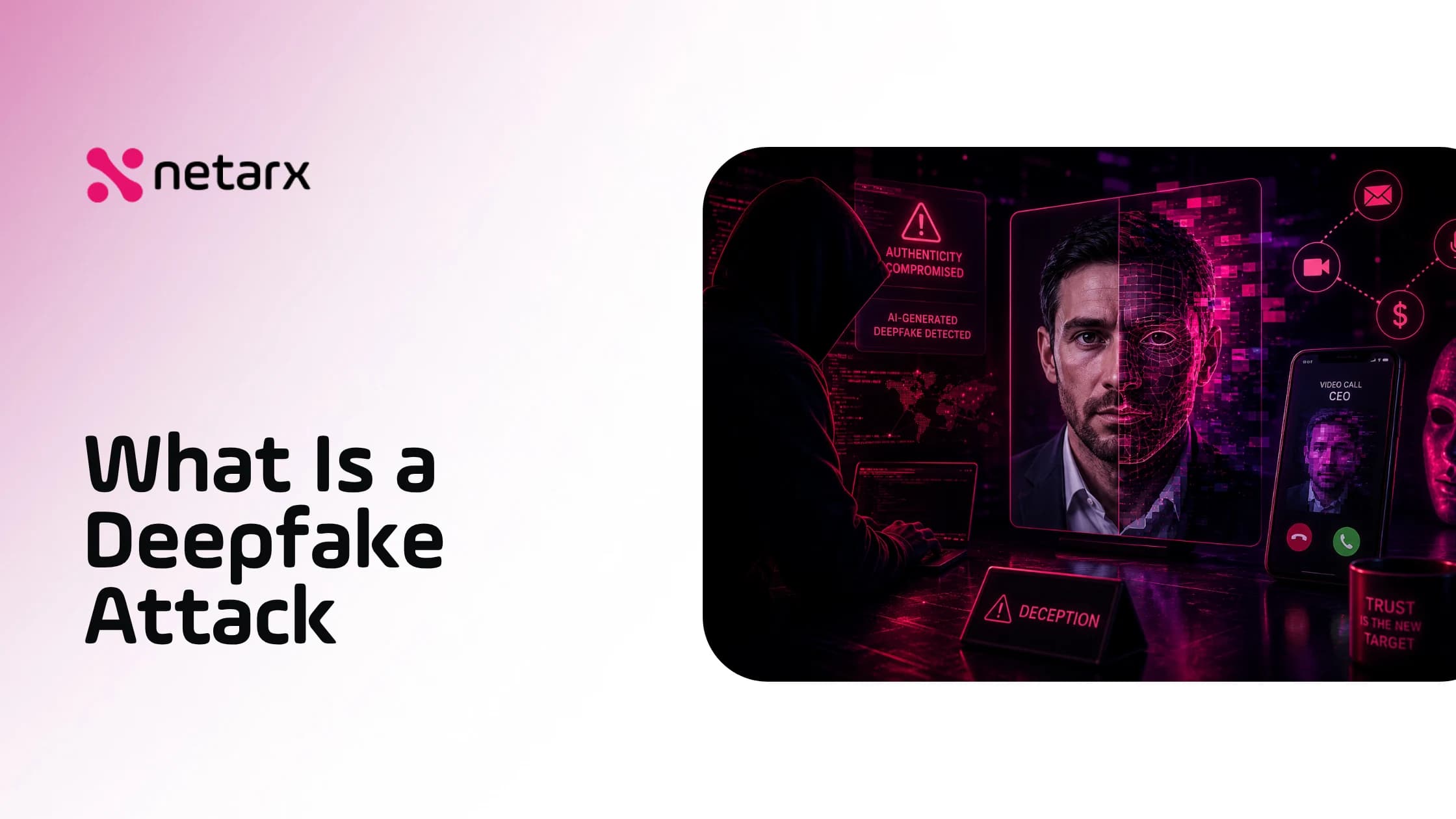
A deepfake attack is a social engineering scam in which criminals use AI-generated video, audio, or images to impersonate a real person, usually an executive, colleague, or vendor, so they can steal money, credentials, or sensitive data.